
Keeping Your Rottweiler Puppy Busy Without Over-Exercising
Rottweilers are a working breed – intelligent, powerful, and bred to have both stamina and drive. This means that even as puppies, they need stimulation and jobs to do. But because their growth plates only close between 18–24 months, it’s very important to avoid too much physical exercise that can harm their developing joints and bones.
The good news is that you can tire out your puppy’s brain just as much (and often more effectively) than their body. Mental enrichment and safe activities are the key to raising a calm, balanced Rottweiler puppy.
Safe & Healthy Ways to Keep Your Puppy Busy
1. Nose Work & Scent Games
- Rottweilers have an excellent sense of smell – using it is natural and mentally exhausting.
- Hide treats around the house or garden and encourage your puppy to “find it.” Scatter part of their kibble in the grass so they have to sniff it out instead of eating from a bowl.
- Introduce beginner tracking by dragging a treat or toy across the grass and letting them follow the scent trail.
2. Food Puzzles & Enrichment Toys
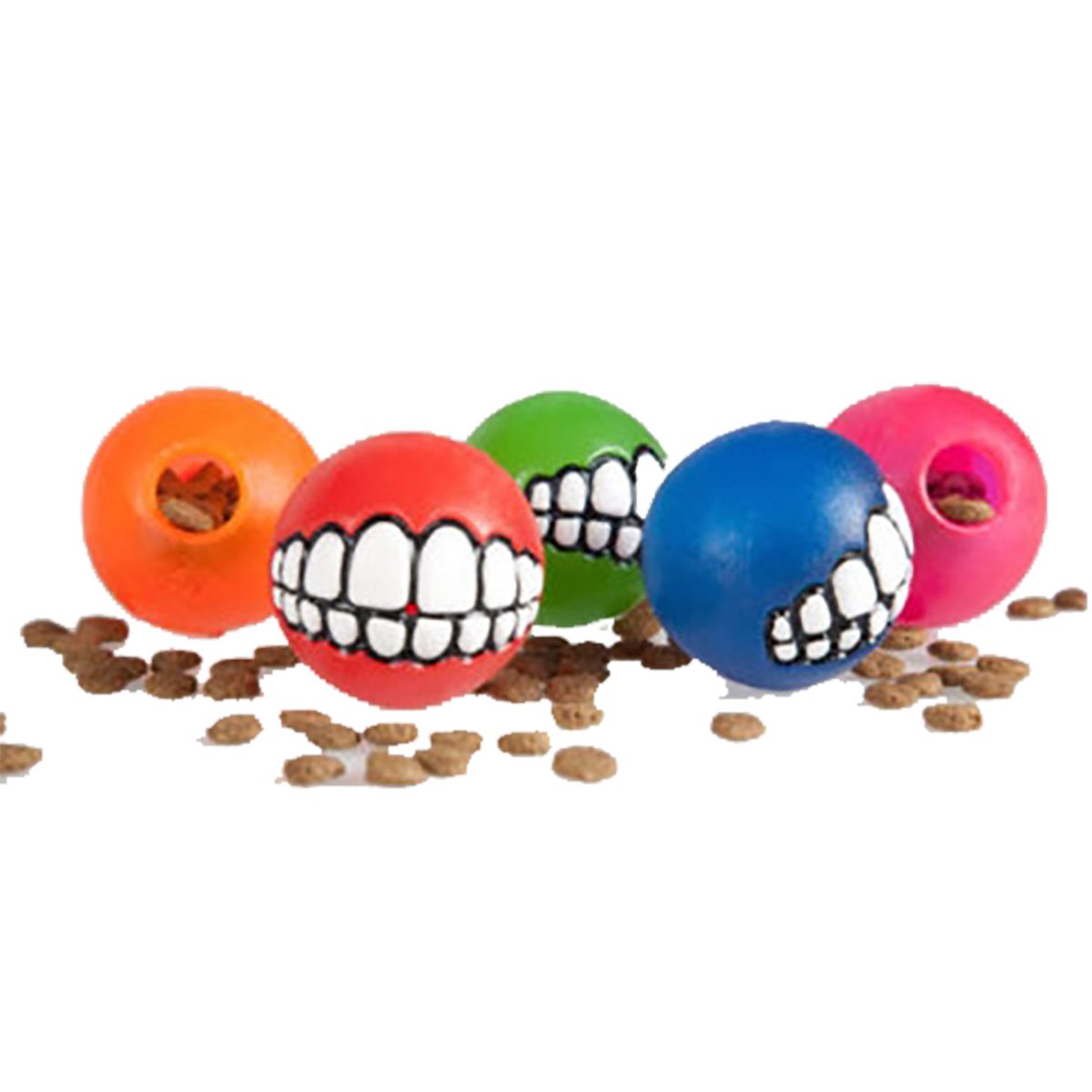
- Use Kong toys stuffed with kibble, soft food, or puppy-safe treats.
- Freeze the stuffed Kong to make it last longer – chewing and licking calms puppies and keeps them occupied.
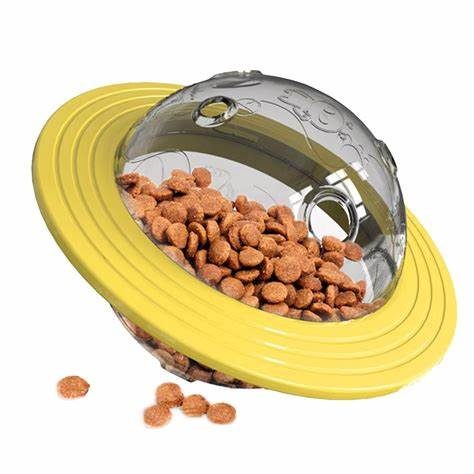
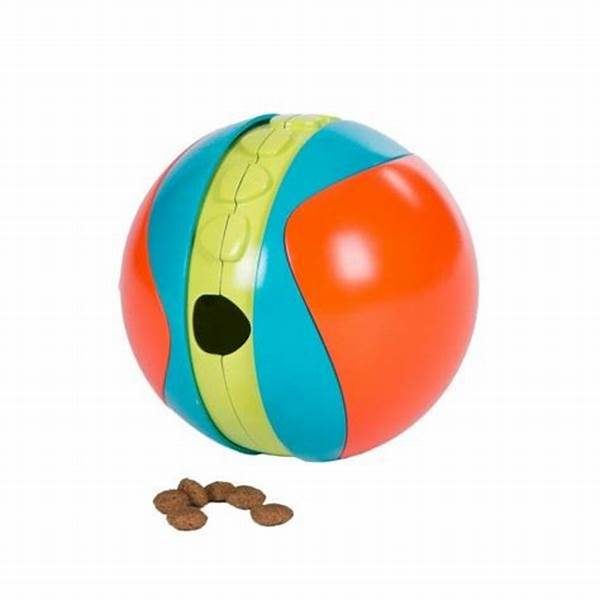
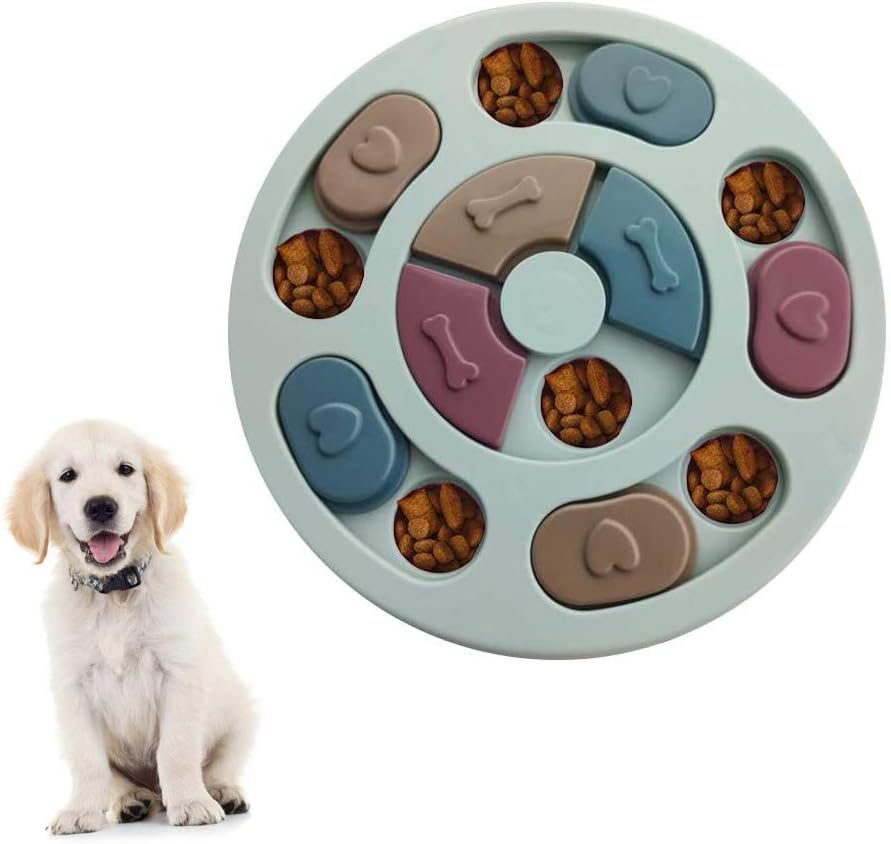
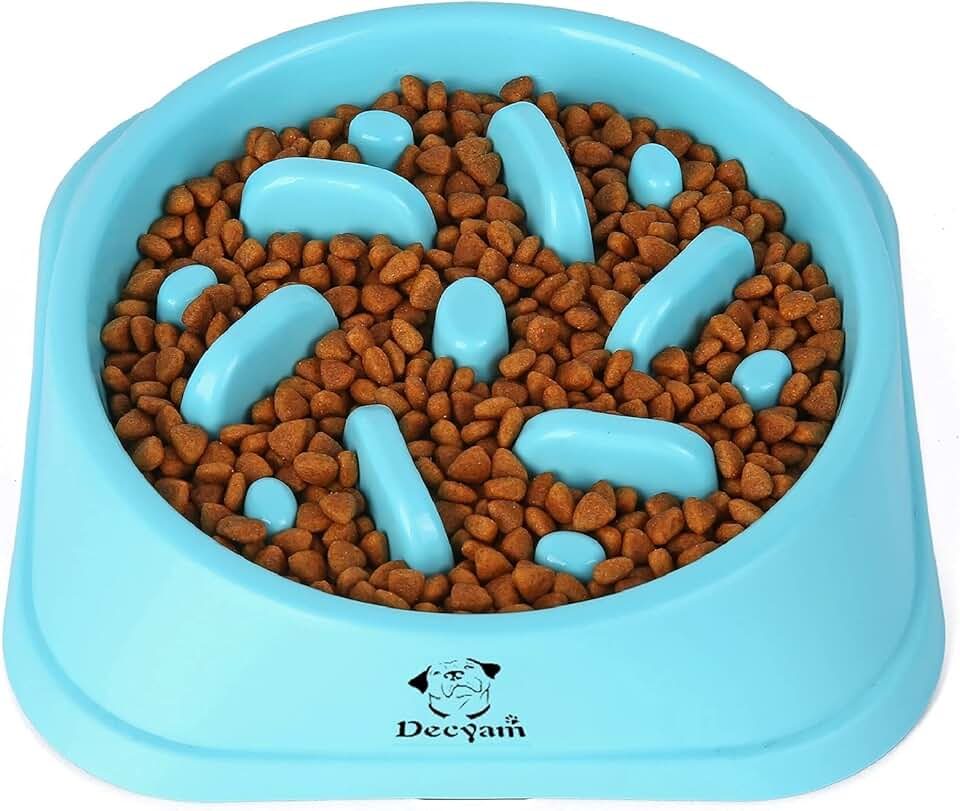
- Try puzzle feeders, snuffle mats, or slow-feeding bowls to turn mealtimes into an activity.
3. Short Training Sessions
- Work on basic obedience (sit, down, stay, come, leave it).
- Keep sessions short (5–10 minutes) and fun.
- Use rewards, play, and praise – training tires the brain while building a bond.
- Teach simple tricks like “shake paw” or “touch” – these are safe, no-impact exercises.
4. Chewing – A Natural Puppy Need
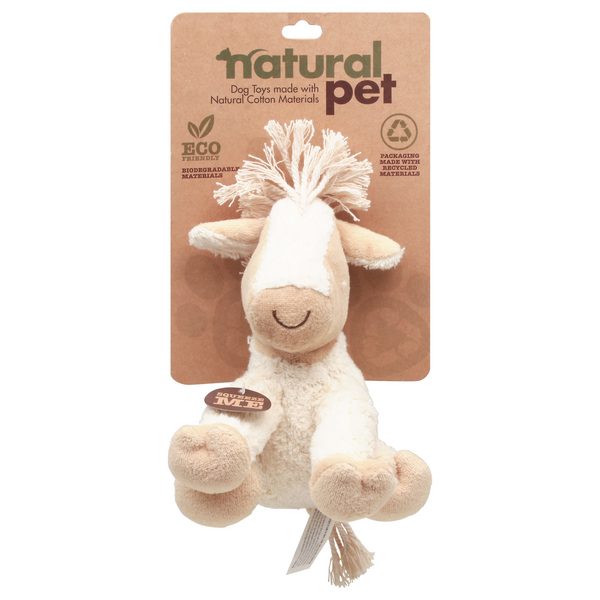
- Provide safe, durable chew toys (Kongs, Nylabones, rope toys).
- Chewing relieves teething discomfort and helps puppies self-soothe.
- Always supervise to ensure they don’t break or swallow unsafe pieces.
5. Controlled Play
- Allow free play on soft grass at the puppy’s own pace.
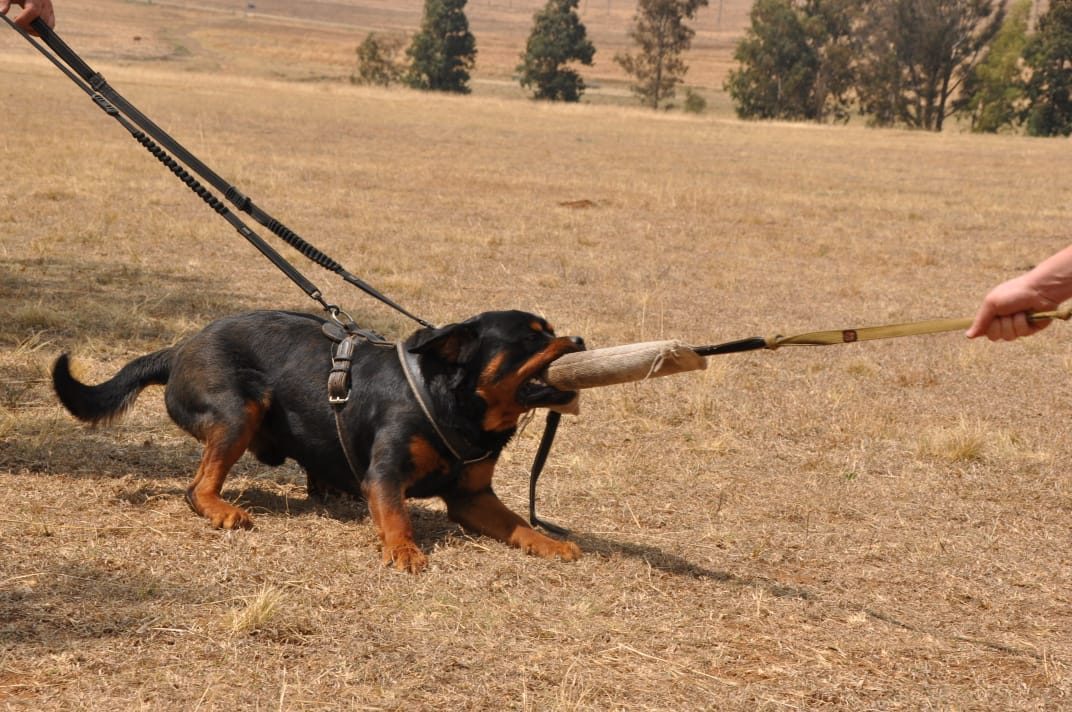
- Short tug games (gentle, no jerking) can be a great outlet.
- Play interactive games like fetch only with soft toys and very short distances – no repetitive running or jumping.
6. Socialization Experiences
- Expose your puppy to safe new sights, sounds, and environments without over- exercising them.
- Car rides, walking through different rooms, or exploring safe surfaces (like tiles, grass, gravel) stimulate their brains.
- Arrange calm, controlled puppy playdates with vaccinated dogs of similar age.
7. Quiet Problem-Solving Activities
- Teach your puppy to “unwrap” a treat hidden inside a towel or cardboard roll.
- Create a simple “puppy obstacle course” using cushions, tunnels, or low objects to step around (no jumping).
- Rotate toys daily – novelty keeps their brains engaged.
What to Avoid
- ❌ Long walks (limit to 5 minutes per month of age, twice daily)
- ❌ Jogging or running with your puppy
- ❌ Jumping off furniture, stairs, or cars
- ❌ Rough, uncontrolled play with larger/older dogs
- ❌ Repetitive ball throwing or high-impact sports
Key Takeaway
A tired Rottweiler puppy doesn’t have to mean an over-exercised one. By focusing on mental stimulation, enrichment, and safe activities, you can help your puppy burn energy, learn good manners, and grow into a calm, confident adult – all while protecting those fragile growth plates.
👉 Remember: A Rottweiler’s brain tires out much faster than their body – so let them “work” with their minds instead of overloading their bones.