
Understanding Skull & Jaw Growth in Rottweilers
Why Bite Development Takes Time
Rottweilers are a slow-maturing, large-breed working dog, and their skeletal development continues well into adulthood. One of the most important aspects of this growth is the skull and jaw (mandible and maxilla). Since the breed is powerful and requires a strong, correct bite for work, protection, and function, the development of the jaw must be carefully understood.
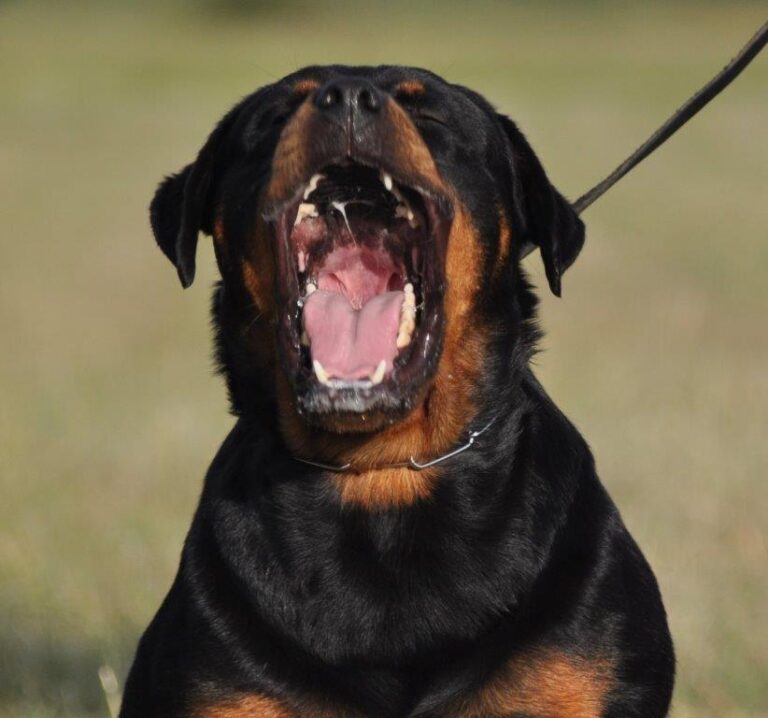
Skull & Jaw Development Stages
Puppy Stage (0–6 months):
- Teeth erupt quickly, with the full set of puppy teeth usually in place by 8 weeks.
- Early growth of the skull and jaw may appear uneven – temporary overbites or underbites are not unusual.
- The jawbones are growing at different rates, and growth spurts can cause the teeth to look misaligned.
Adolescent Stage (6–18 months):
- Adult teeth erupt between 4–7 months, but the skull and jaw continue growing after this.
- Rapid skeletal changes often make the “bite” look worse before it improves.
- It is common to see temporary underbites, overbites, or wry bites during this period.
- These misalignments often self-correct as the dog’s head broadens and the lower jaw develops.
Young Adult Stage (18–36 months):
- The Rottweiler skull continues to broaden, and the lower jaw (mandible) reaches full length and strength.
- Many bite irregularities seen earlier can correct themselves naturally during this period.
- A correct scissor bite (where the upper incisors slightly overlap the lower) is the desired standard.
Why Patience Is Important
- Because of their slow skeletal maturity, Rottweilers cannot be judged too early for bite faults.
- The ADRK (Allgemeiner Deutscher Rottweiler-Klub) – the official German Rottweiler Club and guardian of the breed standard – recognizes that it can take up to 36 months for a Rottweiler’s skull and jaw to fully mature.
- For this reason, the ADRK allows time for the “bite” to self-correct before declaring a permanent fault.
Bite Irregularities Explained
- Overbite (Overshot jaw): The upper jaw grows longer than the lower.
- Underbite (Undershot jaw): The lower jaw extends past the upper jaw.
- Wry bite: Uneven jaw growth where one side develops faster than the other, causing asymmetry.
- ➡️ In young Rottweilers, these conditions may appear temporarily and later resolve naturally as the skull and jaw develop.
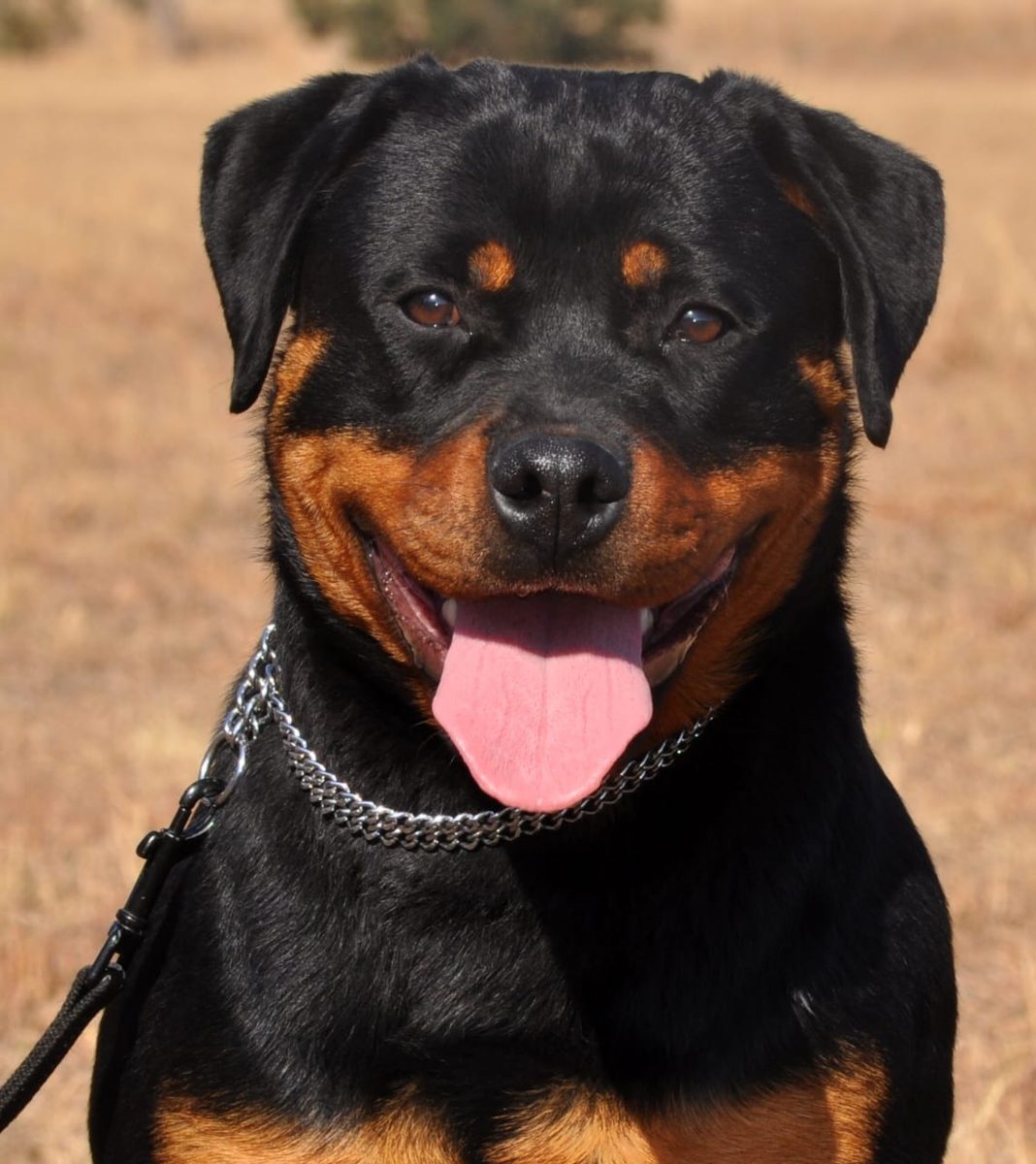
Key Takeaway
- Rottweiler puppies and young dogs often go through awkward growth stages where their bite appears incorrect. This is part of normal development in a slow-maturing, large breed.
- The ADRK wisely allows Rottweilers until 36 months of age for natural correction before determining if a bite fault is permanent.
👉 For owners, this means patience and understanding are essential – avoid making premature judgments during puppyhood and adolescence. With time, most Rottweilers will develop the strong, correct scissor bite required by the breed standard.