
Understanding Growth Plates in Rottweiler Puppies
One of the most important aspects of raising a healthy Rottweiler puppy is understanding how their bones and joints develop. Large breed puppies, like Rottweilers, grow rapidly in their first two years of life, and their skeletal system is especially vulnerable during this time. Knowing how growth plates work – and how to protect them – is essential for your puppy’s long-term health and soundness.
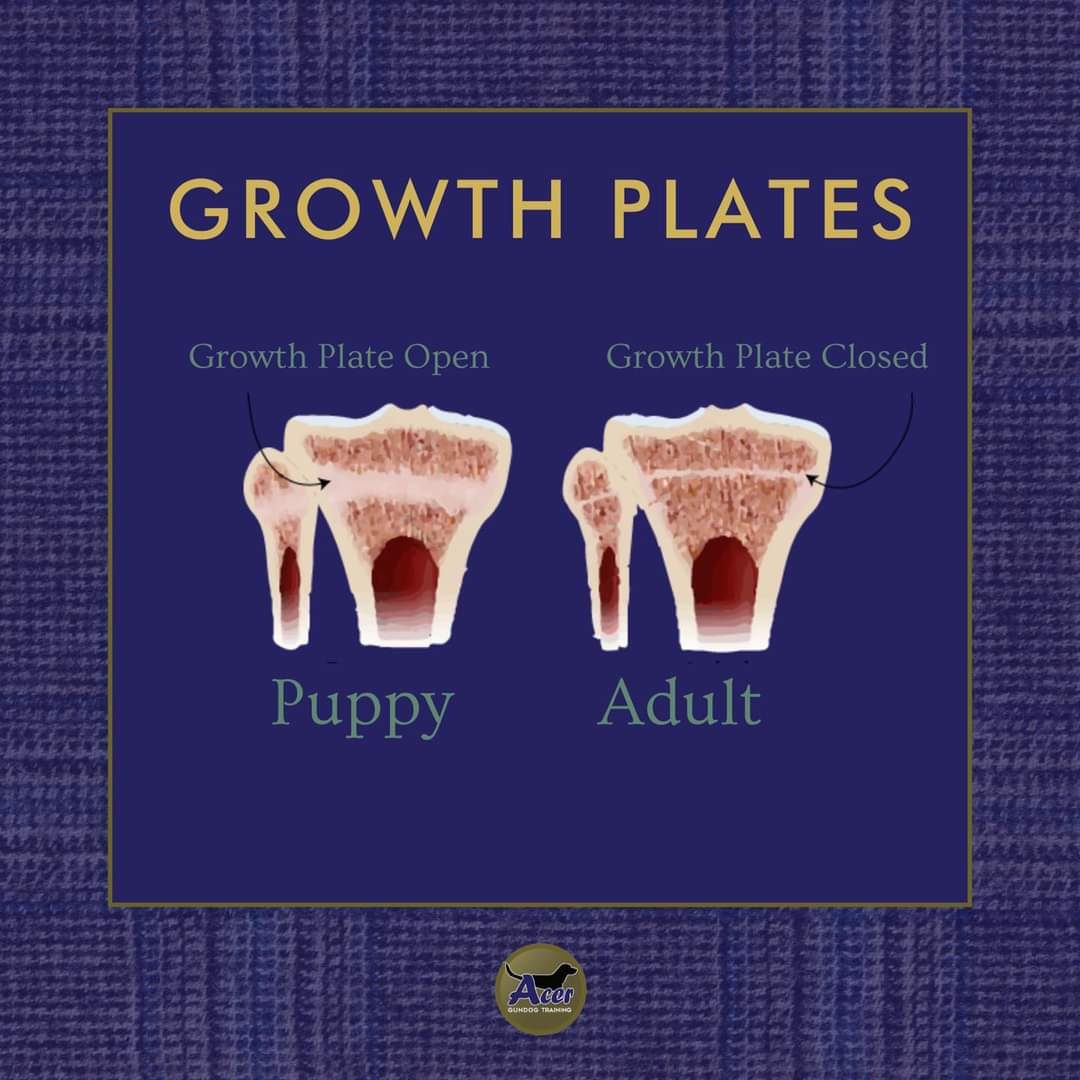
What Are Growth Plates?
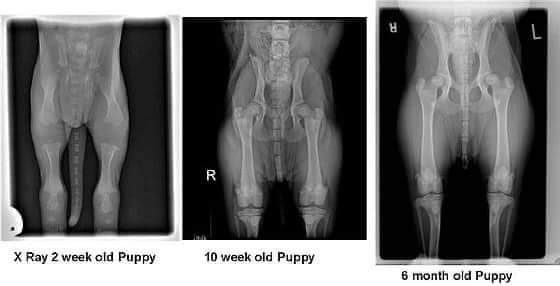
- Growth plates (also called epiphyseal plates) are areas of soft cartilage tissue located at the ends of long bones in puppies and young dogs.
- These plates are where new bone is formed, allowing the puppy’s bones to lengthen and grow.
- Growth plates are much softer and more fragile than mature bone.
- They are the weakest part of the skeleton in a young dog – even weaker than surrounding tendons and ligaments.
When Do Growth Plates Close in Rottweilers?
- Growth plate closure varies by breed and size.
- In large and giant breeds like Rottweilers, growth plates take longer to close compared to smaller dogs.
General timeline:
- Small breeds: often closed by 10–12 months.
- Large breeds: typically close between 18–24 months.
- In Rottweilers, growth plates are usually not fully closed until 20–24 months.
- Until the plates close, the puppy’s bones are still vulnerable to injury and deformity from overuse, impact, or trauma.
Why Growth Plates Matter for Rottweiler Puppies
- Rottweilers are heavy, powerful dogs. During growth, their bones are developing but their muscles often gain strength faster than the skeletal system matures.
- This mismatch means that too much exercise, jumping, or repetitive strain can cause permanent injury.
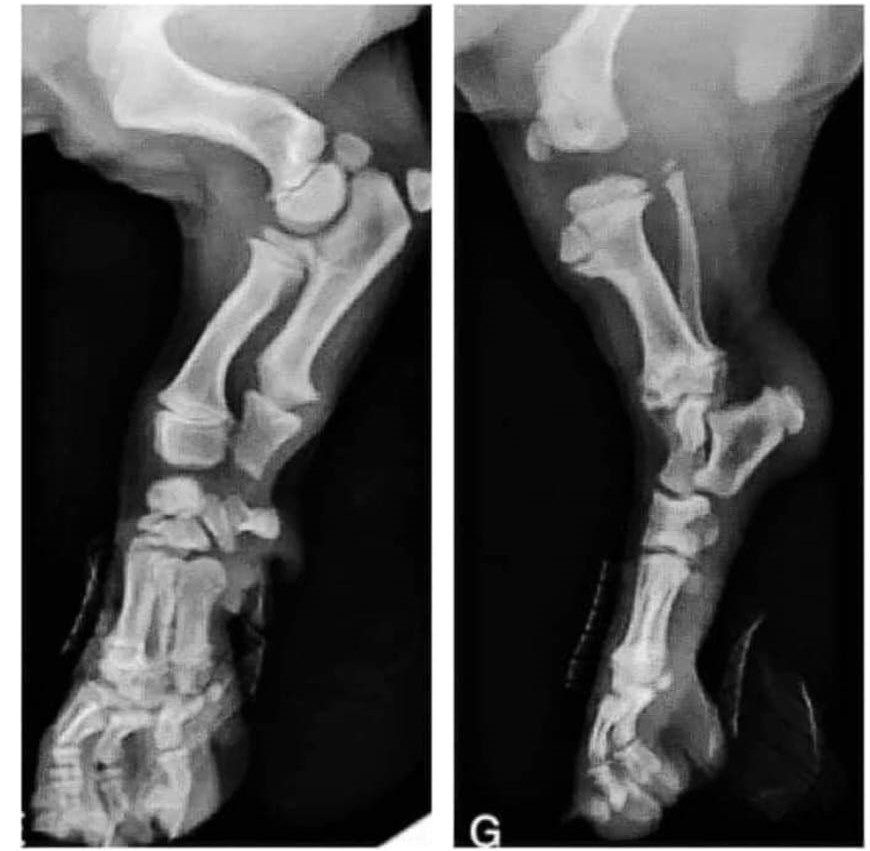
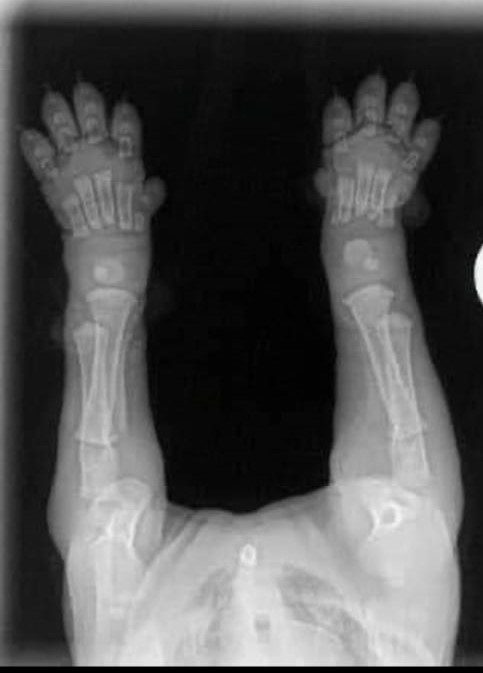
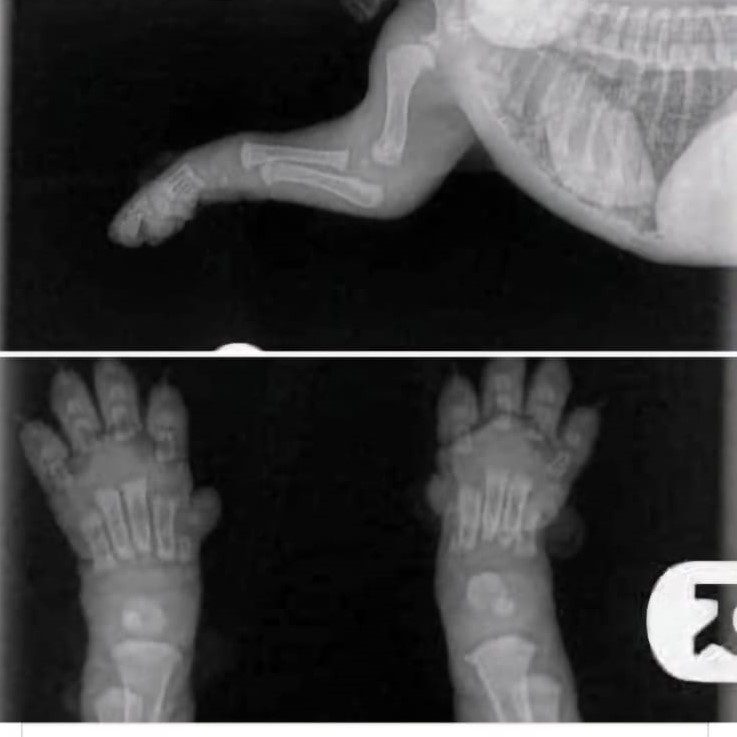
Dangers of Over-Exercise and Trauma on Growth Plates
Fractures and Microtrauma
- Because growth plates are softer than bone, they are more prone to fractures or cracks.
- Even small injuries may lead to abnormal growth patterns.
Angular Limb Deformities
- Damage to a growth plate may cause one side of a bone to stop growing while the other continues.
- This leads to crooked or bowed legs, which can affect mobility for life.
Joint Problems
- Overstressing joints before growth plates close increases the risk of:
- Hip and elbow dysplasia
- Osteochondritis dissecans (OCD)
- Early arthritis
Cruciate Ligament Injury
Puppies with delayed growth plate closure or weak joint alignment are at higher risk of cranial cruciate ligament tears later in life.
Activities to Avoid Until Growth Plates Are Closed
- ❌ Jumping on/off couches, beds, or cars
- ❌ Running up and down stairs
- ❌ Long-distance running (e.g., jogging with owners)
- ❌ High-impact sports like agility, protection training, or Frisbee
- ❌ Rough play with much larger or older dogs
Safe Activities for Rottweiler Puppies
- ✅ Short, age-appropriate walks (5 minutes per month of age, up to twice daily)
- ✅ Controlled leash training
- ✅ Free play on soft grass at the puppy’s own pace
- ✅ Swimming (gentle on joints, great exercise)
- ✅ Basic obedience training (mental stimulation reduces hyperactivity)
- ✅ Low-impact play with toys
Key Takeaways for Puppy Owners
- Growth plates are fragile until around 20–24 months in Rottweilers.
- Over-exercise or trauma can cause lifelong bone and joint problems.
- Protect your puppy by avoiding high-impact activities until maturity.
- Focus instead on safe, low-impact exercise and mental stimulation.
- Always consult your breeder or vet if unsure about what activities are appropriate for your puppy’s age.
👉 Remember: Protecting your Rottweiler’s growth plates now will help ensure they grow into a healthy, strong, and sound adult – capable of enjoying the active lifestyle this breed is known for.