
Feeding & Nutrition Guide for Rottweiler Puppies
(Focus: Large Breed Growth & Calcium/Phosphorus Balance)
🥣 General Feeding Guidelines
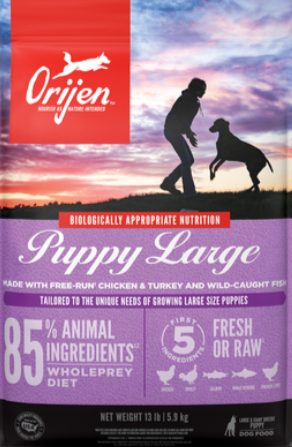
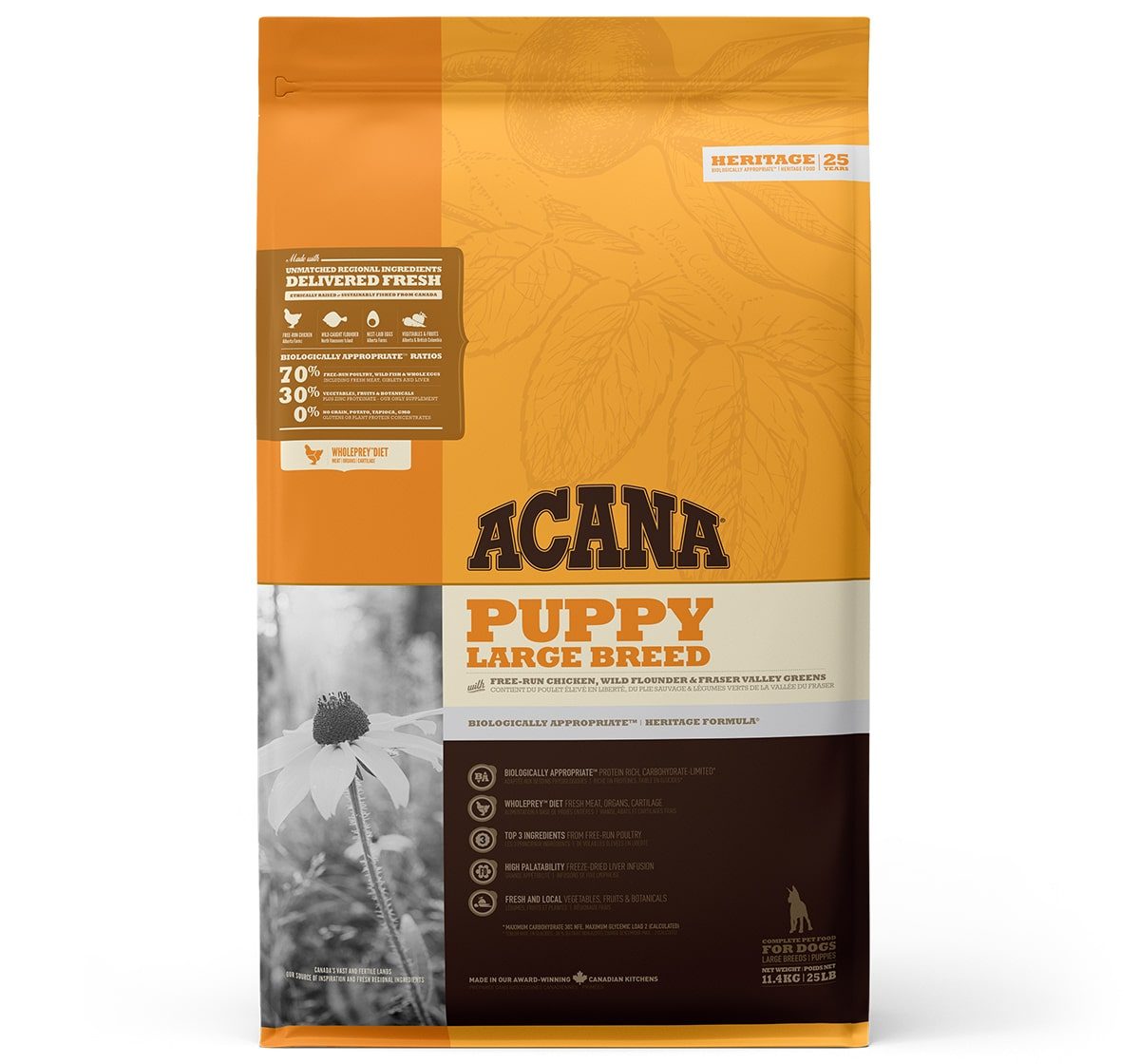
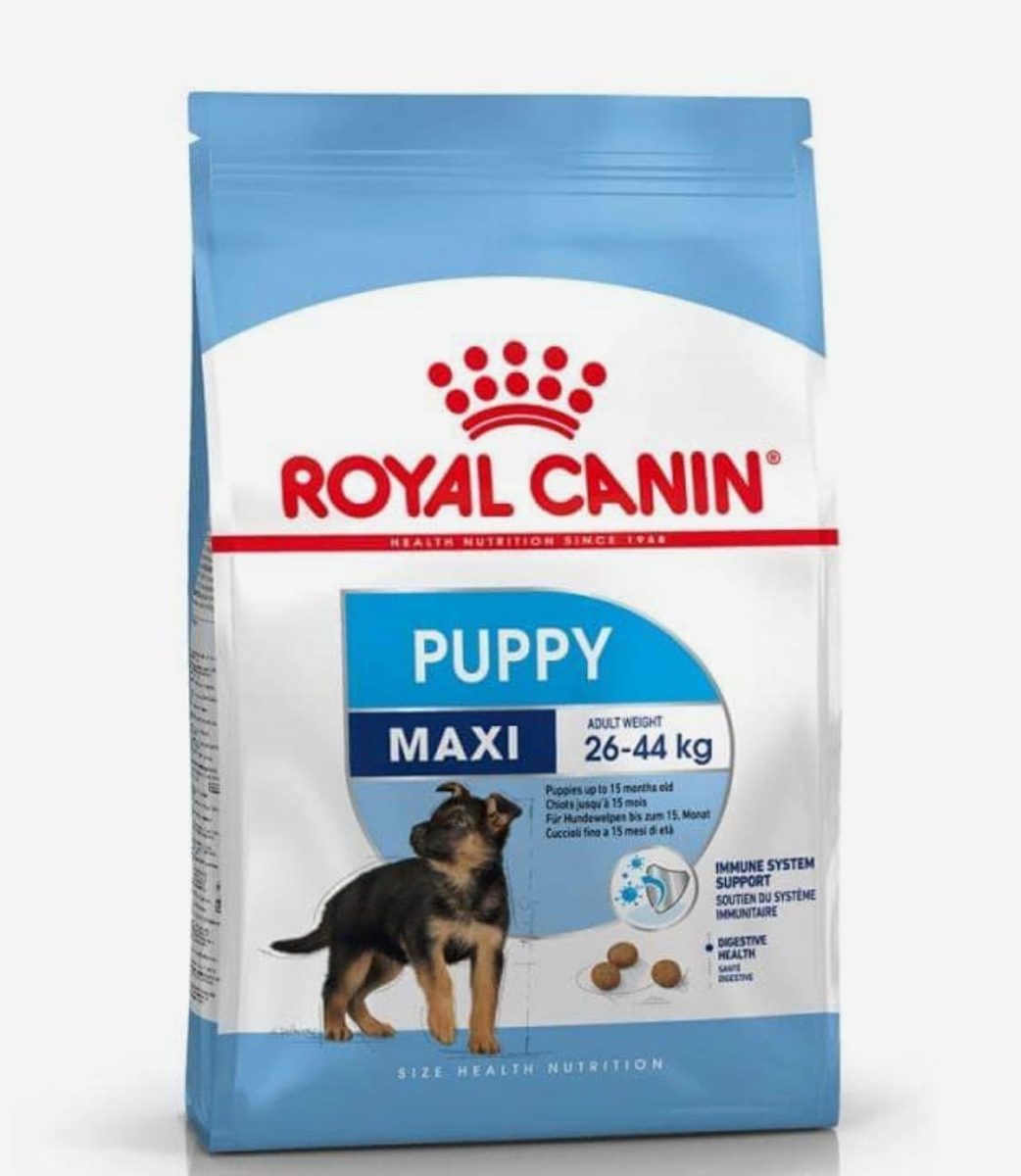
Feed a large-breed puppy formula – specifically designed to control growth rate and maintain proper mineral balance. WE RECOMMEND ROYAL CANIN MAXI or ROYAL CANIN ROTTWEILER PUPPY SPECIFIC. *Please wet pellets slightly and make sure your puppy does not choke, by supervising all meals. Please do not go to large pellets for a small puppy.
Do NOT free-feed – Measure meals to prevent overfeeding and excessive weight gain.
Meal frequency by age:
- 8–12 weeks: 3–4 meals/day
- 3–6 months: 3 meals/day
- 6–12 months: 2–3 meals/day
- After 12 months: transition to 2 meals/day (adult routine)
Avoid rapid growth – Growing too quickly increases risk of joint, hip, and skeletal issues.
🍗 Protein & Energy Needs
- High-quality protein (26–30%) – Supports muscle development and immune function.
- Moderate fat (12–16%) – Provides energy without promoting obesity.
- Controlled calories – Prevent excess weight which stresses joints and bones.
- Avoid high-calorie "all life stages" foods – They may promote growth that is too fast for Rottweiler puppies.
🦴 Calcium & Phosphorus Balance (Critical for Large Breeds)
Ideal calcium-to-phosphorus ratio: ~1.2:1 (Ca:P)
- Calcium (Ca): Essential for strong bone formation.
- Phosphorus (P): Supports skeletal and muscle development.
Why balance matters:
- Too much calcium → abnormal bone growth, skeletal deformities, hip/elbow dysplasia.
- Too little calcium → weak bones, risk of fractures, poor skeletal development.
- Large breed puppy formulas are carefully designed with controlled Ca:P balance.
- Do NOT add supplements (calcium powders, bones, dairy) unless prescribed by a vet.
🚫 Foods & Practices to Avoid
- High-calorie diets – Lead to fast growth and obesity.
- Excessive protein (above 30%) – Can accelerate growth too quickly.
- Supplements – Extra calcium, phosphorus, or vitamins disrupt growth balance.
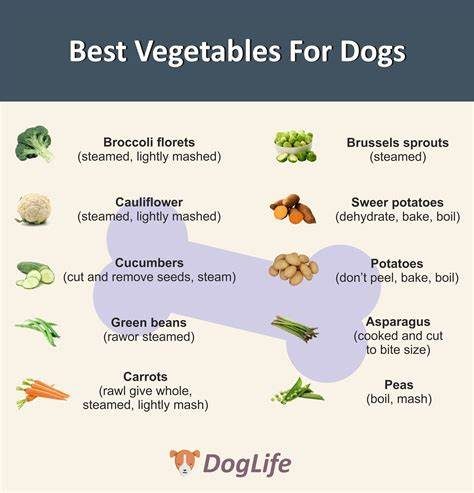
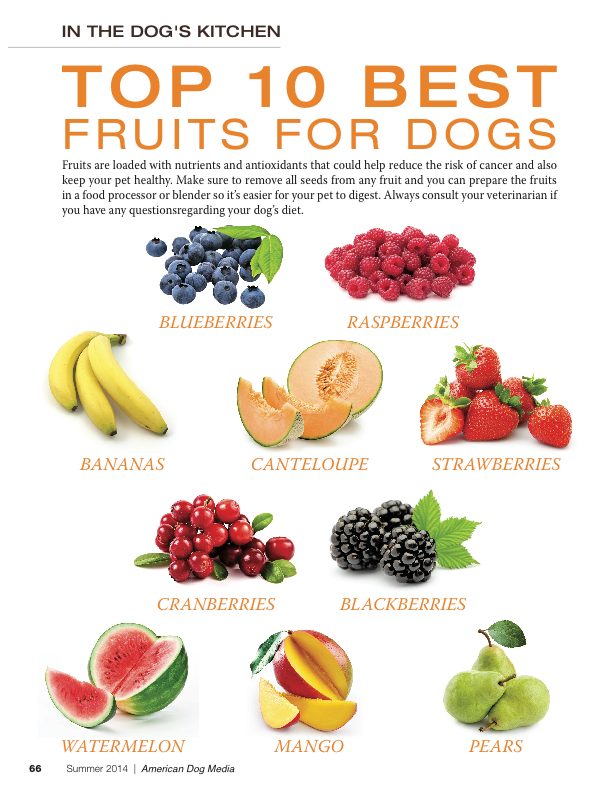
- Uncontrolled treats – Use healthy, limited treats (max 10% of daily intake).
- Human foods – Many are harmful (chocolate, grapes, onions, fatty scraps, etc.).
✅ Healthy Feeding Practices
- Stick to a consistent schedule – Predictable feeding helps digestion and training.
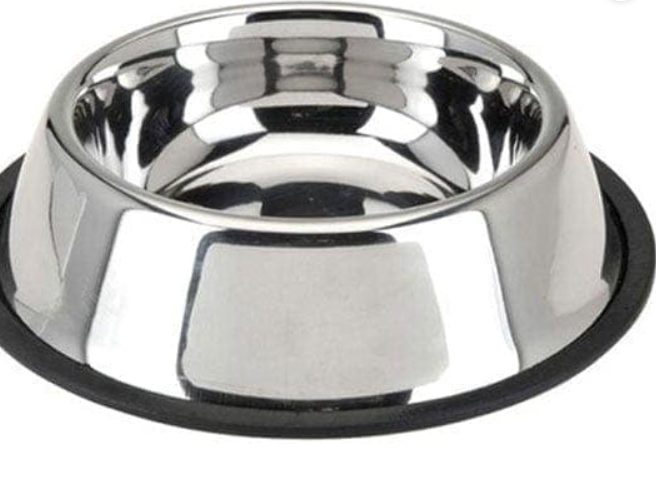
- Use slow feeders if necessary – Prevents gulping and reduces bloat risk.
- Always provide fresh water – Hydration is key to digestion and growth.
Monitor body condition score (BCS):
- Puppy should have a defined waist, visible tummy tuck, and ribs that can be felt but not seen.
- Weigh regularly – Track growth to ensure steady, slow skeletal development.
🐶 Rottweiler Puppy Growth Tips
- Rottweilers are slow-maturing – They often reach full skeletal maturity at 18–24 months.
- Avoid forcing growth spurts – Let nature guide development at the right pace.
Exercise balance:
- Controlled, low-impact activity (short walks, gentle play).
- Avoid stairs, jumping, long runs, or over-exercising before joints mature.
- Vet check-ups – Regular growth monitoring to catch issues early.