
Crate Training Puppies – Step by Step
Introduction to the Crate
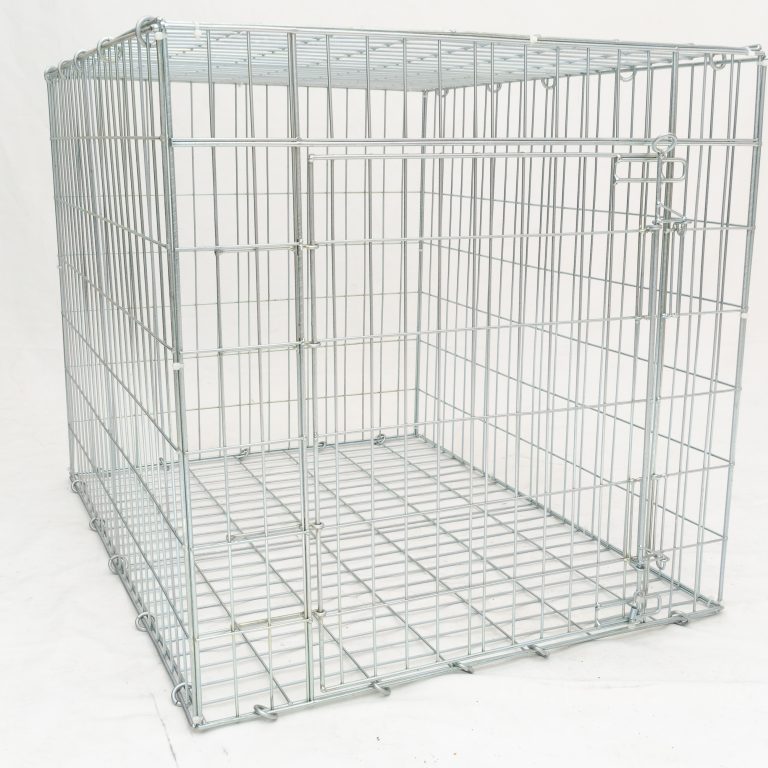
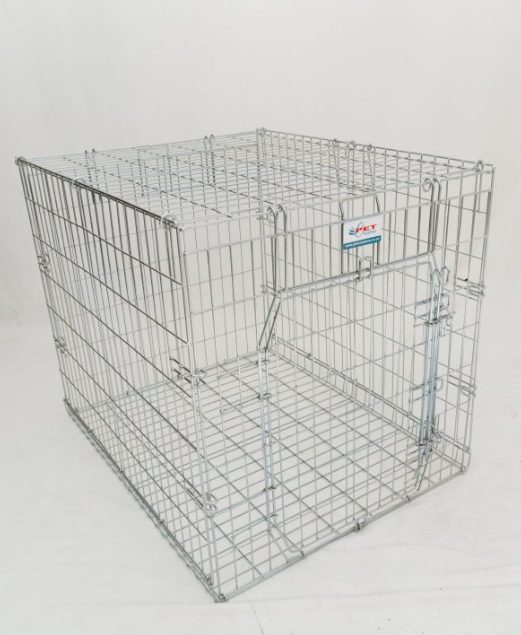
- Choose the right crate size – big enough for the puppy to stand, turn, and lie down, but not too large to encourage soiling.
- Make the crate inviting – soft bedding, a blanket, or a safe toy inside.
- Keep the door open at first so the puppy can explore freely.
- Place the crate in a quiet, but not isolated, part of the home (like near the family area).
Getting the Puppy Comfortable
- Feed meals inside the crate to create a positive association.
- Use treats, toys, or a stuffed Kong to encourage entering.
- Start with short sessions – a few minutes with the door closed, gradually increasing time.
- Always end crate time on a positive note – release them calmly, not when they are whining.
Building a Routine
- Use the crate for naps, nighttime sleep, and short absences.
- Take the puppy outside immediately after crate time for potty breaks.
- Never leave a young puppy crated too long – general rule:
- 8–10 weeks: up to 1 hour
- 11–14 weeks: up to 2 hours
- 15–16 weeks: up to 3 hours
- Over 6 months: up to 4–6 hours (gradually)
Maintain consistency – same bedtime, potty, and crate routine daily.
Managing Challenges
- Ignore whining unless you’re sure they need to go potty; responding too quickly can reinforce the behavior.
- Never use the crate as punishment – it should always be a safe, positive space.
- If the puppy soils in the crate, it may be too large or they were left inside too long.
- Introduce travel crates early so the puppy gets used to car trips calmly.
Benefits of Crate Training for All Dogs
House Training & Cleanliness
- Dogs instinctively avoid soiling where they sleep, making potty training easier.
- Helps prevent destructive chewing and accidents when unsupervised.
Safety & Security
- Provides a safe den-like environment where dogs feel secure and relaxed.
- Prevents injury or ingestion of harmful objects when left alone.
- Helps dogs cope better with travel, vet visits, and boarding.
Behavioral Benefits
- Reduces separation anxiety when introduced positively.
- Establishes boundaries, helping create calmer and better-mannered dogs.
- Encourages self-soothing and independent downtime.
Convenience for Owners
- Makes car rides and travel less stressful and safer.
- Simplifies management in multi-pet households.
- Provides a secure place for rest during gatherings, renovations, or stressful events (fireworks, storms).
Visit: petcreations.co.za