
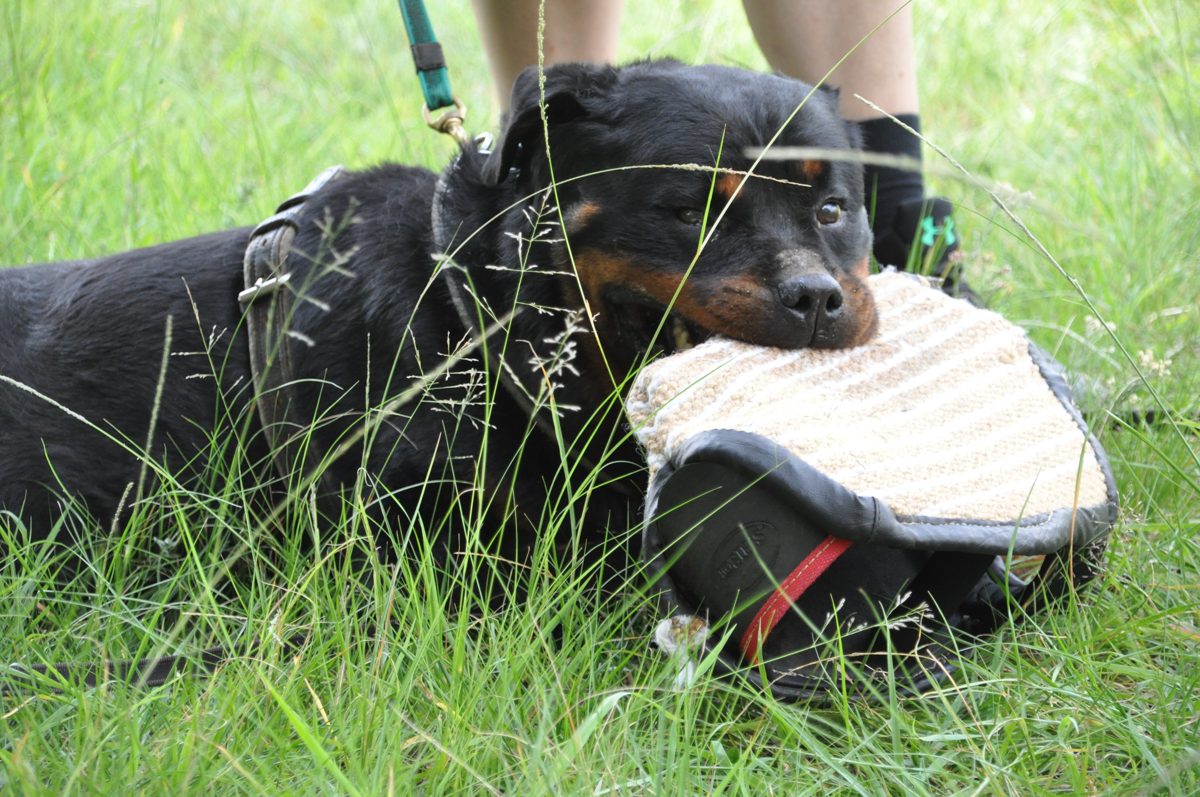
🐾 Rottweiler Puppy Biting, Chewing & Digging Guide
🦷 Puppy Biting & Mouthing
Why puppies bite:
- Normal developmental stage – puppies explore the world with their mouths.
- Teething discomfort (3–6 months) increases chewing and nipping.
- Play behavior – mimics littermate play-fighting.
- Attention-seeking or boredom.
- What’s normal: Gentle mouthing, chewing toys, occasional nipping during play.
- What’s concerning: Hard biting, growling, snapping, or not stopping when corrected – may indicate overstimulation or a need for training guidance.
🐶 Chewing Stages
- 8–16 weeks (early teething): Baby teeth are falling out; chewing relieves discomfort.
- 4–6 months (adult teeth erupting): Heavy chewing phase – strong need to gnaw.
- 6–12 months: Chewing continues as jaw muscles develop and for entertainment.
- Chewing benefits: Helps with teething pain, strengthens jaws, reduces stress, and prevents boredom.
🕳️ Digging Behavior
Why puppies dig:
- Instinct (breeds like Rottweilers enjoy earth play).
- Boredom, lack of stimulation, or excess energy.
- Cooling off (digging cool soil).
- Hiding toys or food.
- Normal vs. problematic: Small playful digging is expected; destructive digging in gardens or furniture means the puppy needs more redirection and activity.
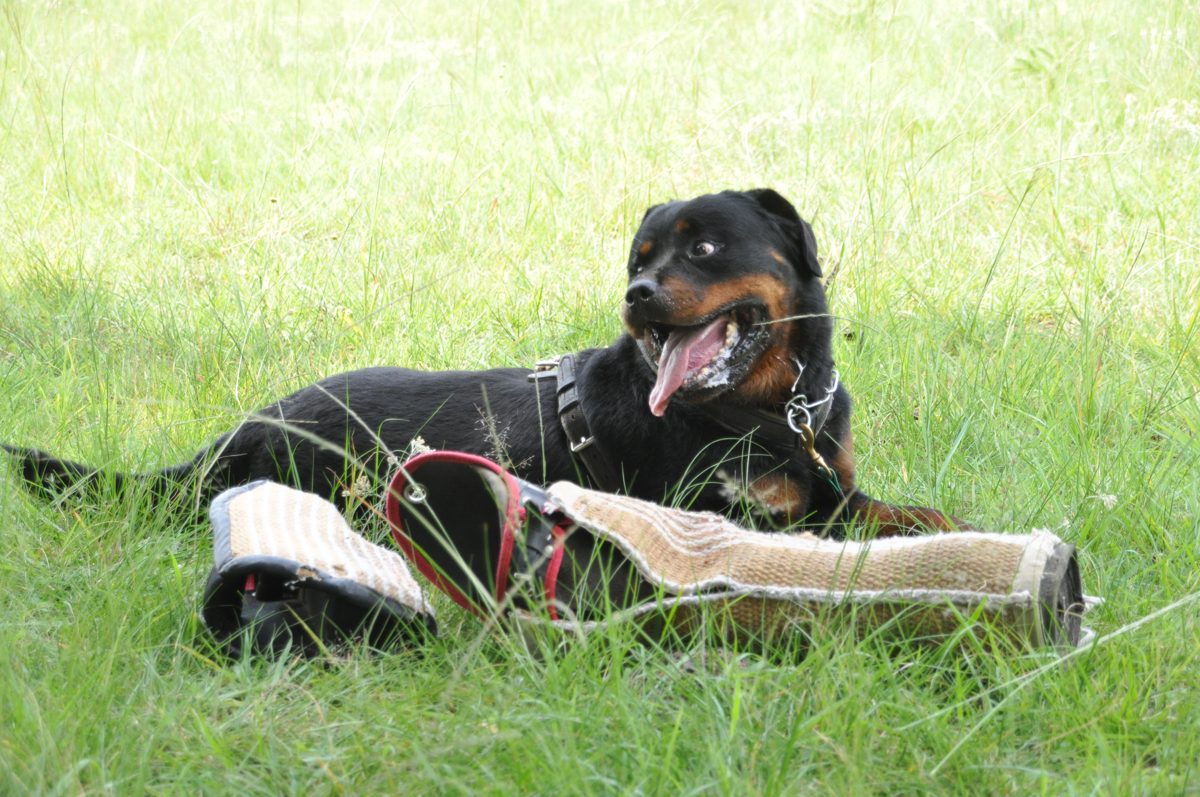
✅ How to Distract & Redirect Biting, Chewing & Digging
For Biting:
- Redirect immediately: Offer a chew toy or rope toy instead of your hands.
- Yelp or say “Ouch!” (in a sharp but not angry tone) to mimic littermate feedback.
- Stop play briefly if biting continues – teaches bite inhibition.
- Teach cues like “gentle” or “leave it.”
Reinforce calm behavior – reward when puppy licks, chews toys, or sits quietly.
For Chewing:
- Provide safe chew options: Durable rubber toys (Kong, Nylabone), frozen carrots, puppy teething rings.
- Rotate toys – prevents boredom from the same chew toy.
- Use puppy-safe frozen treats – cold relieves teething pain.
- Puppy-proof the home: Keep shoes, wires, and furniture legs protected.
- If caught chewing something wrong: Say “No” firmly, replace with an appropriate toy, and praise when they chew correctly.
For Digging:
- Provide alternatives: A designated digging box or sandbox with buried toys.
- Increase exercise: A tired puppy is less likely to dig destructively.
- Mental enrichment: Food puzzles, sniffing games, and short training sessions satisfy natural drives.
- Redirect calmly: If caught digging in the wrong spot, interrupt gently and lead to the correct play area.
- Block access: Use fencing or deterrents in gardens until puppy matures.
🚫 What NOT to Do
- Do not punish harshly – yelling, hitting, or forcing submission increases fear and aggression.
- Do not allow rough play with hands or feet – teaches biting is acceptable.
- Do not give old shoes/clothes as toys – confuses puppy about what’s allowed.
- Do not ignore excessive chewing/digging – it’s a sign the puppy needs more outlets.