
Preparation
- Set up a routine – Puppies thrive on structure; consistent feeding, play, and potty times help them learn faster.
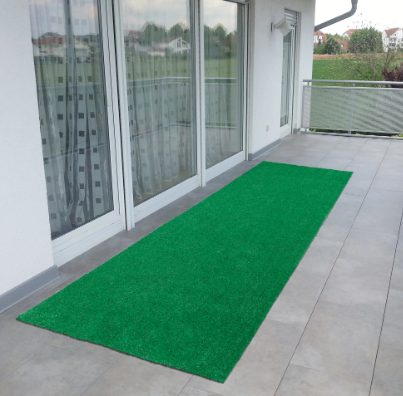
- Choose a designated potty area – Take your puppy to the same spot outdoors so they associate it with going to the toilet.
- Get supplies ready – Leash, treats, enzymatic cleaner (for accidents), and possibly puppy pads if needed.
🐾 Establishing a Routine
Take puppy out frequently:
- After waking up
- After meals and drinking water
- After playtime or excitement
- Before bedtime
- Every 1–2 hours for very young puppies
- Use a cue word/phrase – Example: “Go potty” so the puppy learns to associate the phrase with the action.
- Wait patiently – Give your puppy 5–10 minutes; if nothing happens, bring them back in and try again shortly.
🐾 Positive Reinforcement
- Reward immediately – Praise and give a small treat within seconds of success.
- Stay consistent – Always reward in the potty spot, not later indoors.
- Make it exciting – Happy tone, clapping, or a favorite toy reinforces good behavior.
🐾 Supervision Indoors
- Use a crate – Dogs instinctively avoid soiling their sleeping area; crate training helps with bladder control.
- Keep puppy in sight – If not crated, supervise closely to catch signs they need to go.
- Signs they need to potty – Sniffing, circling, whining, sudden stillness, heading to the door.
🐾 Managing Accidents
- Stay calm – Don’t punish; puppies don’t understand after-the-fact scolding.
- Interrupt gently – If you catch them mid-accident, clap or say “outside” and carry them to the potty area.
- Clean properly – Use an enzymatic cleaner to remove odors and prevent repeat marking.
🐾 Building Progress
- Increase time between potty breaks gradually as the puppy’s bladder grows.
- Establish feeding schedules – Avoid free-feeding; scheduled meals = predictable potty times.
- Be consistent with family members – Everyone should follow the same routine, commands, and rewards.
🐾 Troubleshooting
- Frequent accidents – Puppy may be too young to hold it; increase potty breaks.
- Nighttime accidents – Limit water intake right before bed and take puppy out late at night.
- Regression – Common during teething or growth spurts; go back to basics temporarily.
- Possible medical issue – If accidents persist despite good training, check for urinary infections or other health concerns.