
The History of the Rottweiler, the ADRK, and the Breed Standard
A Breed Rooted in Ancient History
The Rottweiler is one of the oldest known dog breeds, with origins tracing back more than 2,000 years. Although it is astonishing to imagine that today’s diverse canine world—from the tiny Chihuahua to the powerful Mastiff—shares a common ancestor in the wolf, selective breeding over thousands of years has shaped dogs into the companions we know today.
For more than 15,000 years, humans and dogs have lived and worked together. Among the earliest working dogs were the ancestors of the modern Rottweiler.
Roman Origins – The First Working Rottweilers
The Rottweiler’s history begins with the Roman Legions, who required strong, intelligent, resilient dogs capable of:
- Driving and managing cattle
- Defending soldiers and livestock
- Enduring long marches
- Reacting confidently to new environments and threats
These Roman drover dogs travelled across Europe, and one of their main routes led through the Alps into what is now southern Germany. In the region of modern-day Rottweil, these dogs interbred naturally with native herding dogs.
This area became a major cattle trading hub, and the strong, courageous working dogs that developed were named after the city—the Rottweiler, originally known as the Rottweiler Metzgerhund (Rottweil Butcher’s Dog).
19th Century – The Butcher’s Dog
Throughout the 1800s, Rottweilers were prized by butchers, sheep farmers, and drovers for their:
- Intelligence
- Endurance
- Strength
- Calm confidence
- Natural guarding instinct
Cattle drives could last for days, often through forests populated with wolves or bandits. A butcher or drover would never travel without several reliable Rottweilers. These dogs were valued for their ability to:
- Drive cattle safely
- Protect livestock
- Defend their owners
- Pull small carts
- Make independent decisions during long journeys
However, with the rise of rail transport and mechanised vehicles, the traditional role of the Rottweiler began to disappear.
20th Century – A New Working Role
By the early 1900s, Germany recognised the Rottweiler’s natural working ability. In 1910, the breed was officially accepted as a police dog, valued for its:
- Trainability
- Strength
- Courage
- Intelligence
- Reliable temperament
From police work to military roles, search and rescue, tracking, and protection, the Rottweiler quickly proved its exceptional versatility.
Today – A Beloved Working and Family Companion
The modern Rottweiler is admired worldwide for:
- Loyalty
- Obedience
- Calm nature
- Confidence
- Willingness to work
- Stable temperament
With proper breeding, socialisation, and training, the Rottweiler becomes:
- A dedicated family companion
- A trustworthy protector
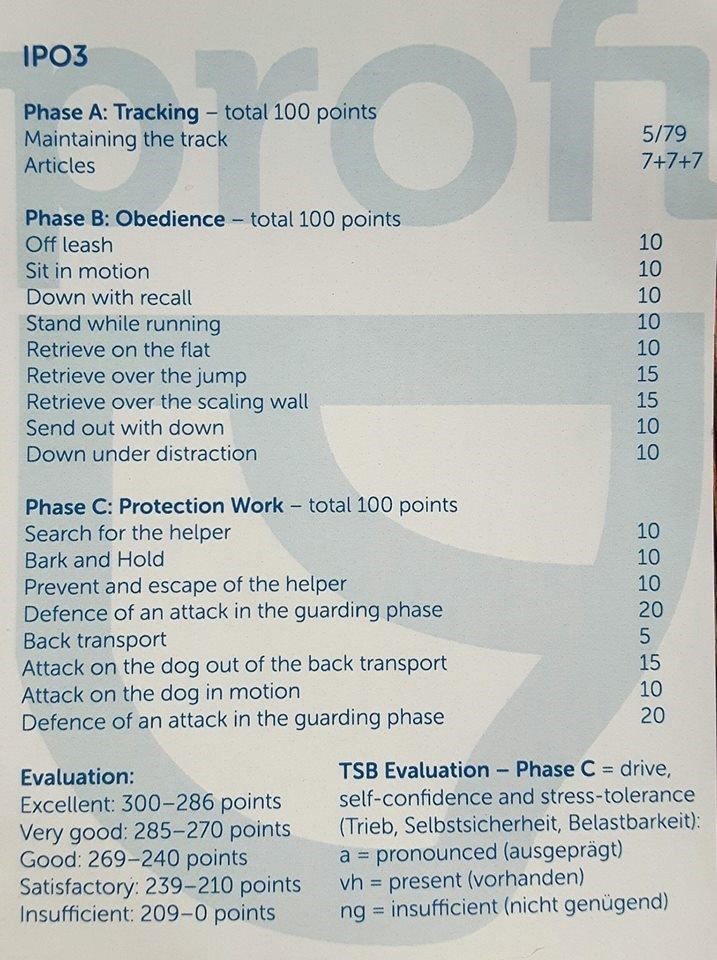
- A capable working or sport dog
Every Rottweiler puppy is born willing to learn and eager to connect with its human “pack.” Their success, temperament, and behaviour depend greatly on the quality of their upbringing—as with all dogs, responsible breeding and early socialisation profoundly shape the adult dog.
The ADRK – Guardians of the Rottweiler Breed
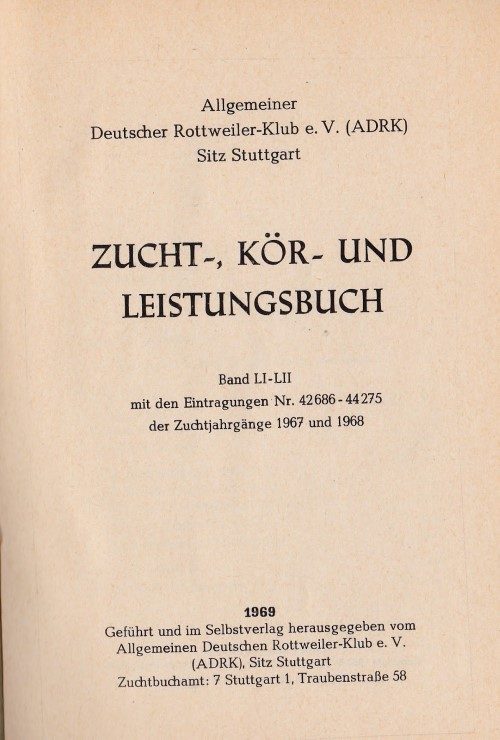
The Allgemeiner Deutscher Rottweiler-Klub (ADRK) is the official German Rottweiler club and the only Rottweiler organisation in Germany recognised by the VDH (German Kennel Club). For more than 90 years, the ADRK has been:
- Protecting the breed
- Setting strict breeding requirements
- Ensuring health, temperament, and working ability
- Preserving the traditional German Rottweiler type
The ADRK’s philosophy is clear and shared by responsible breeders worldwide:
“Healthy, self-assured, friendly companions and family dogs, combined with excellent working ability and correct physical structure.”
Their breeding regulations prioritise:
- Mental and physical health
- Stable temperaments
- Working aptitude
- Correct structure and movement
- Adaptation to modern environments and needs
This strict supervision has allowed the Rottweiler to remain one of the strongest, most reliable working breeds on earth.
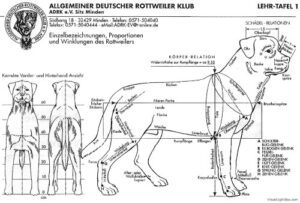
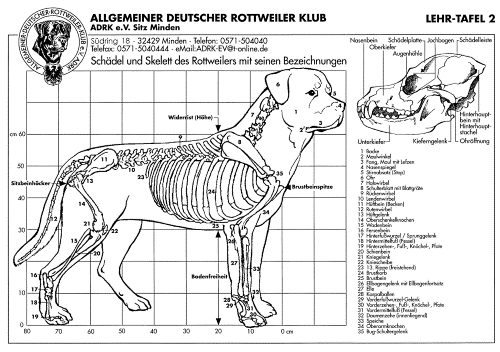
The Official Rottweiler Breed Standard (FCI Standard No. 147)
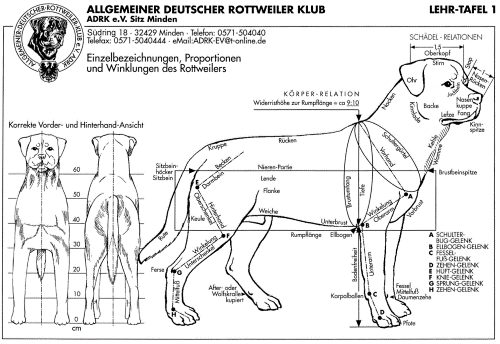
The Rottweiler’s breed standard, published by the FCI and upheld by the ADRK, describes the ideal characteristics of the breed.
- Origin: Germany
- Purpose: Companion, service, and working dog
- FCI Group: 2 – Molossian type, with working trial
General Appearance
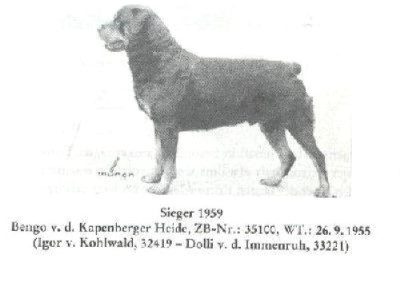
A medium-to-large, powerful, compact dog with strong bone, excellent muscle, and balanced proportions. A Rottweiler should combine:
- Strength
- Agility
- Endurance
- Temperament
The standard describes the Rottweiler as:
- Good-natured
- Calm and confident
- Devoted and obedient
- Eager to work
- Self-assured and fearless
- Highly alert
A properly bred Rottweiler is not nervous, unstable, or aggressive without reason.
Head
- Medium length, broad skull
- Well-developed stop
- Strong, broad muzzle
- Correct scissor bite
Body Structure
- Compact, powerful frame
- Straight, firm back
- Broad, deep chest
- Well-angulated forequarters and hindquarters
- Strong, efficient movement
Coat & Colour
- Black with clearly defined rich mahogany markings
- Short, dense, straight, double-coated
- Undercoat present
Faults
Any deviation from the standard is considered a fault, with severity depending on how much it affects:
- Soundness
- Structure
- Temperament
- Working ability
This includes incorrect eyes, incorrect bite, weak bone, poor movement, improper markings, improper coat, or structural imbalance.
The ADRK’s Health and Breeding Focus
The ADRK enforces some of the strictest canine breeding regulations in the world to ensure:
- Hip and elbow soundness
- Stable nerve and temperament
- Correct working ability
- Strong structure
- Mental resilience
- Longevity
Their breeding classes, working requirements, and health testing protect the breed’s future and ensure puppies inherit the physical and mental strength the Rottweiler is known for.
A Timeless Breed With a Loyal Global Community
From ancient Roman battlefields to modern family homes, the Rottweiler has always fascinated and inspired. Today, the breed’s combination of loyalty, intelligence, and working ability continues to attract dedicated owners worldwide.
Responsible breeders and the global Rottweiler community—guided by organisations like the ADRK—remain committed to preserving:
- Health
- Temperament
- Strength
- Beauty
- Heritage
for future generations.
Eliminating Faults in the Rottweiler – Understanding Disqualifications According to the Breed Standard
In responsible Rottweiler breeding, maintaining the integrity, health, and functionality of the breed is essential. While minor faults may appear in any dog, certain characteristics are considered eliminating faults—meaning that dogs displaying these traits must not be bred. These disqualifications are set by the official FCI and ADRK breed standards, ensuring that the Rottweiler remains a healthy, stable, and structurally correct working breed.
Below are the official eliminating faults that automatically exclude a dog from breeding:
General Eliminating Faults
Reversal of sexual type:
- Feminine, fine-boned males
- Masculine, coarse bitches
Sexual dimorphism is essential in the Rottweiler breed; males must appear distinctly male, and females distinctly female.
Dentition Eliminating Faults
- Overshot bite
- Undershot bite
- Wry (twisted) mouth
Missing teeth:
- Any missing incisor
- Any missing canine
- Any missing premolar
- Any missing molar
Correct dentition is crucial for health, work ability, and adherence to the breed standard.
Eye Eliminating Faults
- Entropion (inward-rolling eyelid)
- Ectropion (outward-rolling eyelid)
- Yellow eyes
- Heterochromia (eyes of two different colours)
Healthy, dark, almond-shaped eyes are a defining breed characteristic.
Tail Eliminating Faults
- Kinked tail
- Ring tail
- Strong lateral deviation (a tail that sharply deviates to one side)
Tail conformation is linked to spinal development and correct breed expression.
Coat Eliminating Faults
- Long coat
- Wavy coat
The Rottweiler must have a short, dense, straight double coat with undercoat present.
Colour Eliminating Faults
- Any colour other than black with clearly defined tan (mahogany) markings
- White markings of any kind
Correct pigmentation is strictly required.
Behavioural Eliminating Faults
Temperament is one of the most important aspects of the Rottweiler breed. The following behaviours are disqualifying:
- Anxious or shy behaviour
- Cowardice
- Gun-shyness
- Excessive suspiciousness or nervousness
- Vicious or unstable temperament
A correct Rottweiler must be calm, confident, self-assured, stable, and reliable.
Important Note on Males
Male Rottweilers must have two normal testicles carried fully in the scrotum.
Any deviation from this automatically disqualifies a dog from breeding.
Why Eliminating Faults Matter
Eliminating faults exist to protect the breed’s:
- Health
- Genetic stability
- Working ability
- Temperament
- Lifespan and vitality
Breeders like Craffenheim Rottweilers follow these strict guidelines to ensure that every breeding dog meets the highest standards set by the ADRK and FCI. By adhering to these criteria, the breed remains strong, stable, and true to its historical purpose.
Rottweiler Health & Genetic Screening at Craffenheim – HD, ED, Vaccinations & Modern Disease Prevention
At Craffenheim Rottweilers, health is the foundation of every breeding decision. True breed preservation demands more than good pedigrees — it requires scientific knowledge, genetic screening, veterinary partnership, and an uncompromising approach to disease prevention. Below is a comprehensive, educational overview of the major health conditions that responsible Rottweiler breeders must understand and test for, and the systems Craffenheim follows to protect the breed.
Hip Dysplasia (HD) – Genetics, Diagnosis & ADRK Requirements
Hip Dysplasia (HD) is one of the most widely known hereditary conditions in Rottweilers and many large breeds. HD is a malformation of the hip joint, where the femoral head and hip socket do not fit correctly. This poor fit may exist on one or both sides and can cause:
- joint laxity
- strain on the joint capsule
- early arthritic changes
- pain and mobility impairment
Genetic Influence
HD has a strong hereditary predisposition. However, genetics alone do not determine severity. HD expression depends on:
- growth rate
- nutrition
- exercise during development
- environmental factors
This is why two dogs with identical genetic risk may experience completely different outcomes — one may show excellent hips, while another develops dysplasia.
Breed Differences
Large, fast-growing breeds are far more affected than smaller dogs due to weight load and cartilage development during growth.
HD Evaluation in ADRK Breeding
The ADRK uses strict X-ray assessment and classification to determine breeding eligibility. Rottweilers must be at least 15 months old for official imaging.
ADRK HD Grading Table
| ADRK Classification | Description | VDH / FCI Grade | Breeding Status |
|---|---|---|---|
| HD-Free | Normal hips | A / 1 | Approved |
| HD +/- | Transitional | B / 1 | Approved |
| HD + | Mild dysplasia | C / 1 | Approved |
| HD ++ | Moderate | D / 1 | Breeding Ban |
| HD +++ | Severe | E / 1 | Breeding Ban |
| HD 0 | No exam | — | Not breedable |
Craffenheim Rottweilers adheres strictly to these standards, ensuring our dogs are structurally sound, functional, and built for longevity.
Elbow Dysplasia (ED) – Causes, Diagnosis & ADRK Standards
Elbow Dysplasia (ED) is another significant hereditary joint condition affecting Rottweilers. ED is not one disease but a group of developmental abnormalities causing joint incongruity and early arthrosis, including:
- IPA – Isolated Processus Anconeus
- FPC – Fragmented Medial Coronoid Process
- OCD – Osteochondritis Dissecans of the humerus
- Growth incongruences and cartilage defects
These abnormalities often appear early in growth and lead to chronic pain and lameness.
International Elbow Working Group (IEWG)
Founded in 1989, the IEWG coordinates global efforts to reduce ED by:
- promoting research
- creating diagnostic standards
- recommending national registries
- improving breeder education
ADRK ED Requirements
Rottweilers must be at least 15 months old for official X-ray evaluation. Both elbows are X-rayed with very specific positioning requirements.
ED Arthrosis Grading
| ADRK Grade | Severity | Breeding Status |
|---|---|---|
| ED- | Normal | Approved |
| ED +/- | Transitional | Approved |
| ED + | Grade 1 – Mild | Approved |
| ED ++ | Grade 2 – Moderate | Restricted |
| ED +++ | Grade 3 – Severe | Breeding Ban |
| ED 0 | No exam | Not breedable |
Craffenheim Rottweilers complies with all ADRK ED regulations and maintains complete joint health records on all breeding dogs.
Vaccinations & Infectious Disease Prevention – Protecting Mothers and Puppies
Parvovirus (CPV) remains one of the most lethal infectious diseases affecting puppies. It destroys the intestinal lining and immune system, leading to:
- fever
- vomiting
- bloody diarrhea
- rapid dehydration
- death within days if untreated
The Immunological Gap
Newborn puppies are protected by maternal antibodies from the colostrum, but between weeks 4–12, these antibodies drop to levels that:
- no longer protect the puppy
- still block early vaccination
This “immunological gap” is the period of highest vulnerability.
Modern Early Vaccination
Thanks to advances in virology (specifically CPV-2b vaccines), puppies can now be safely vaccinated from 5 weeks onward, helping close this critical risk window.
Craffenheim’s Parvovirus Protocol
- All breeding bitches are fully vaccinated before conception.
- Puppies receive early CPV-2b protection (5 weeks).
- Regular VDH-aligned vaccinations begin at 8–9 weeks.
- Strict hygiene, quarantine, and disinfectant protocols are enforced.
- New arrivals undergo full immunization and a 2–3 week quarantine before integration.
Craffenheim follows internationally recognized prevention standards to ensure the safest environment possible for mothers and puppies.
Genetic Neurological Disorders – JLPP, NAD, LEMP
Modern Rottweiler breeding requires understanding of hereditary neurological diseases such as:
- JLPP – Juvenile Laryngeal Paralysis & Polyneuropathy
- NAD – Neuronal Axonal Dystrophy
- LEMP – Leukoencephalomyelopathy
These are simple recessive genetic conditions, meaning:
- A carrier bred to a clear dog produces healthy puppies.
- Carrier-to-carrier breeding is never acceptable.
- Eliminating carriers entirely would destroy genetic diversity in the breed.
Craffenheim’s Genetic Testing Policy
- All breeding dogs are fully DNA-tested.
- All puppies from a carrier parent are tested before placement.
- Only genetically safe matings are approved.
This approach protects both health and genetic diversity, preventing “bottlenecking” of bloodlines.
Craffenheim’s Commitment to Health
From HD/ED testing to vaccination strategy and genetic screening, Craffenheim Rottweilers follows a veterinary-guided, scientifically rigorous health program supported by:
- 24/7 veterinary partnership with leading clinicians
- full orthopedic screening
- reproductive health monitoring
- early neurological testing
- strict hygiene and disease-control measures
This comprehensive system ensures that every Craffenheim Rottweiler is bred with integrity, health, and the future of the breed in mind.
By Retha Crafford · retha@craffenheimrottweilers.co.za